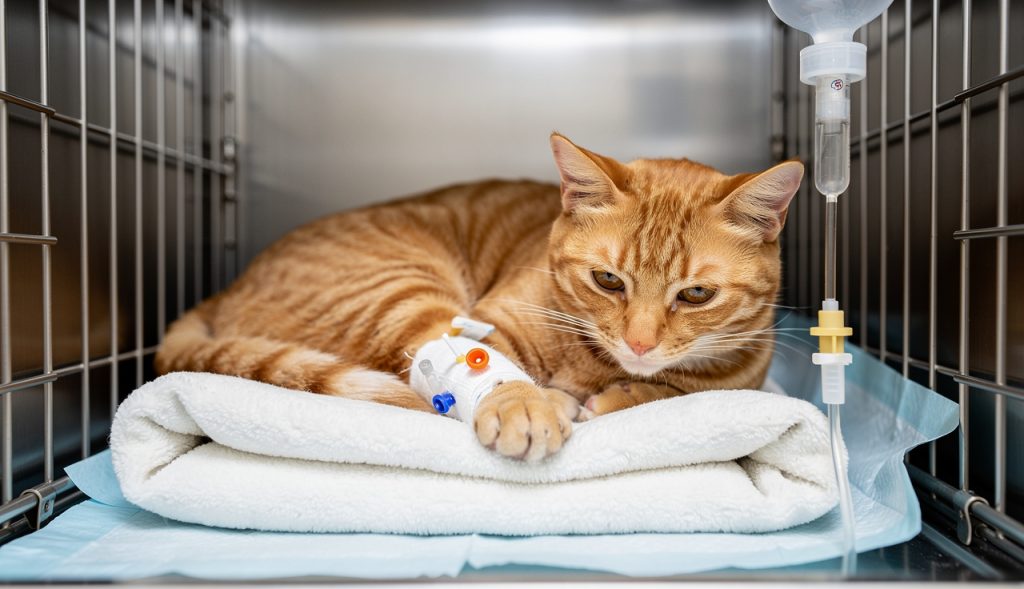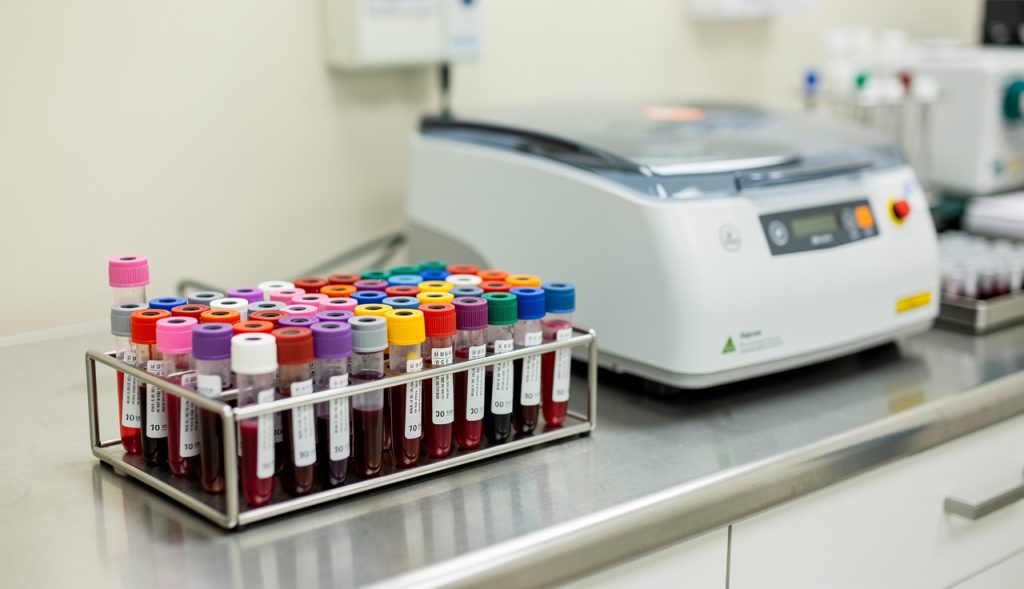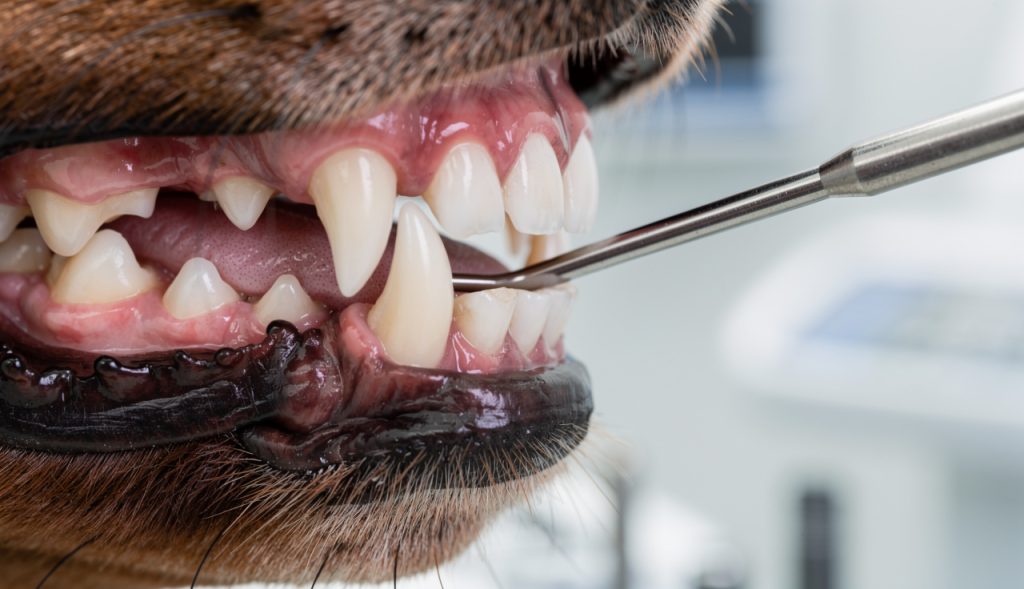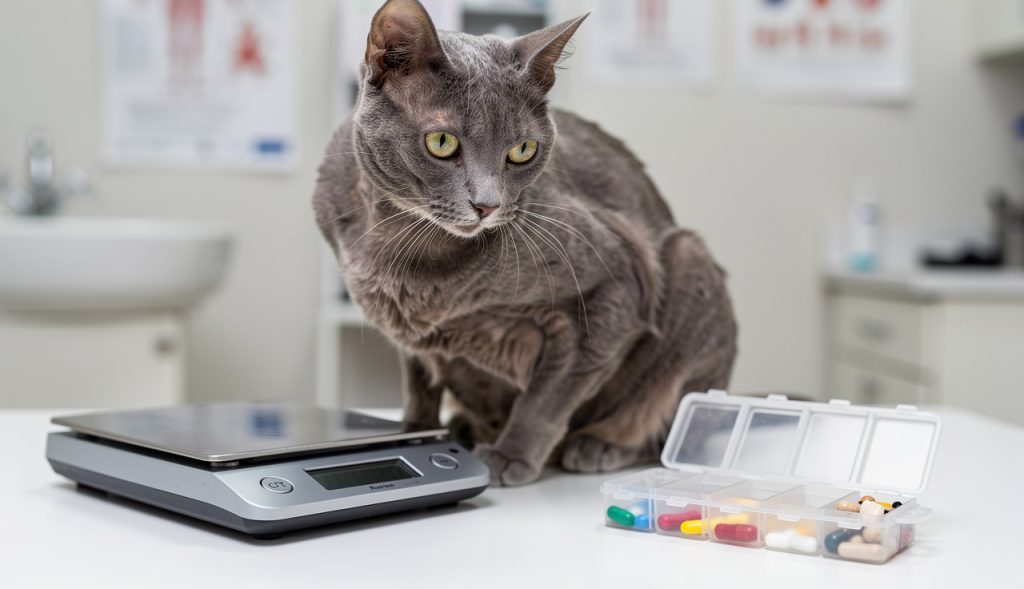
How to Read a Vet Estimate: Urgent, Optional, and Shop-Around Lines
Sort any vet estimate into do-now, can-wait, and shop-around lines — and keep an $8,000 bill honest.
Read the guide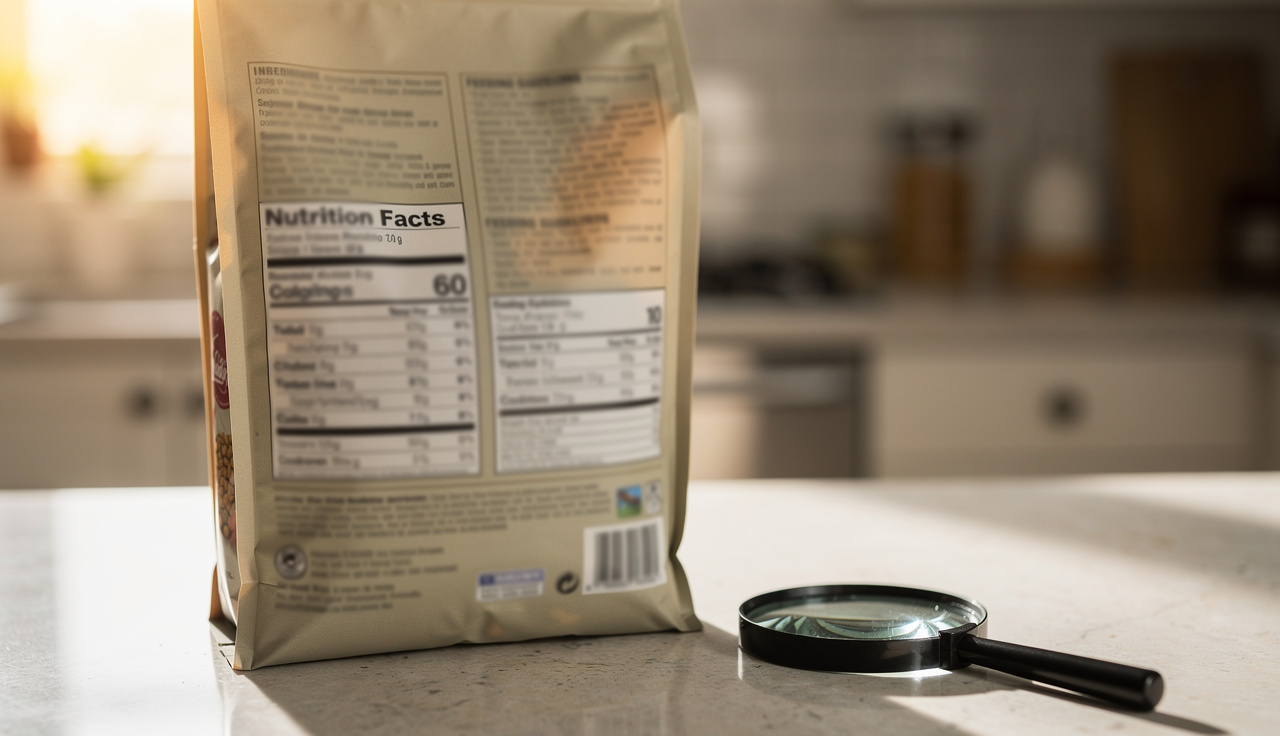
The single most important line on a pet food package is the AAFCO nutritional adequacy statement, usually on the back or side in small print. It states whether the food is complete and balanced, for which life stage, and whether that was substantiated by feeding trials or by formulation. Feeding trials are the stronger standard. Everything else on the package — the front-of-bag claims, the ingredient panel, the guaranteed analysis — is secondary to that statement, and some of it is marketing with no regulatory meaning at all. Prices for the same nutritional standard range from $0.40 to $2.00 per day for a 40-pound dog, so the label is where value is decided.
Look for language like: “Animal feeding tests using AAFCO procedures substantiate that [product] provides complete and balanced nutrition for [life stage].” That means the food was fed to animals in a controlled trial and met the standard. The weaker version reads “formulated to meet the AAFCO [nutrient profile] for [life stage]” — the recipe was calculated to meet the numbers, without a feeding trial. Both are legal; feeding trials are stronger evidence.
Life-stage language matters too: “growth,” “reproduction,” “adult maintenance,” or “all life stages.” A food labeled only for adult maintenance is not appropriate for a puppy. “All life stages” is the most demanding standard and is common in premium foods.
This trips up nearly everyone. Ingredient lists use pre-cooking weights, and fresh meat is roughly 70% water. A food whose first ingredient is “chicken” may deliver less actual meat than a food whose first ingredient is “chicken meal,” because the fresh chicken’s water weight is counted before it is cooked off. This is not a trick by the manufacturer; it is a rule of the labeling system. Judge the list as a whole, including the meals, rather than reading only the first word.
The guaranteed analysis gives minimum crude protein and fat and maximum crude fiber and moisture. These are legal guarantees, not measured values — a food guaranteeing 26% protein may contain 30%. It also does not tell you the carbohydrate content, which you can estimate by subtraction, or the quality or digestibility of the protein. It is a floor, not a nutritional profile.
The FDA investigated a possible link between certain grain-free, legume-heavy boutique diets and dilated cardiomyopathy (DCM) in dogs, including breeds not normally predisposed. The investigation did not establish causation, and the science remains unsettled. What is fair to say: a pattern was flagged in diets heavy in peas, lentils, and other legumes, the mechanism is not understood, and the risk is not zero. Grains are not fillers by default — rice, oats, barley, and corn are digestible sources of carbohydrate and, in some formulations, protein. Choosing grain-free for a dog with no diagnosed grain allergy is a marketing-driven decision rather than a nutritional one.
| Term | What it actually means |
|---|---|
| “Complete and balanced” | Meaningful — points to the AAFCO statement |
| “Human grade” | Defined, but only if every ingredient and the manufacturing facility qualify; often used loosely |
| “Holistic” | No regulatory definition |
| “Natural” | Defined narrowly (no synthetic ingredients, with exceptions); says nothing about quality |
| “Premium” / “ultra” | Marketing only |
| “Veterinarian recommended” | Often a paid endorsement; ask which veterinarians |
Calorie content in kcal per cup (or per can, or per kilogram) is the most practically useful number on the package. It lets you compare cost per day across foods and set a measured portion. Without it, you are guessing, and dogs gain weight on guessing. Two foods that look similar can differ by 100 kcal per cup.
Photographs of fresh salmon, “ancestral,” and “farm-to-bowl” are not regulated claims. The back panel — AAFCO statement, guaranteed analysis, calorie content, and the ingredient list — is where the verifiable information lives. Read it before you read the price tag, and read it again before you pay a premium for a word.
General information about labeling rules, not veterinary or nutritional advice. Diet selection for a pet with a medical condition belongs to your veterinarian. Prices are 2026 U.S. ranges and vary by region and retailer.
Sort any vet estimate into do-now, can-wait, and shop-around lines — and keep an $8,000 bill honest.
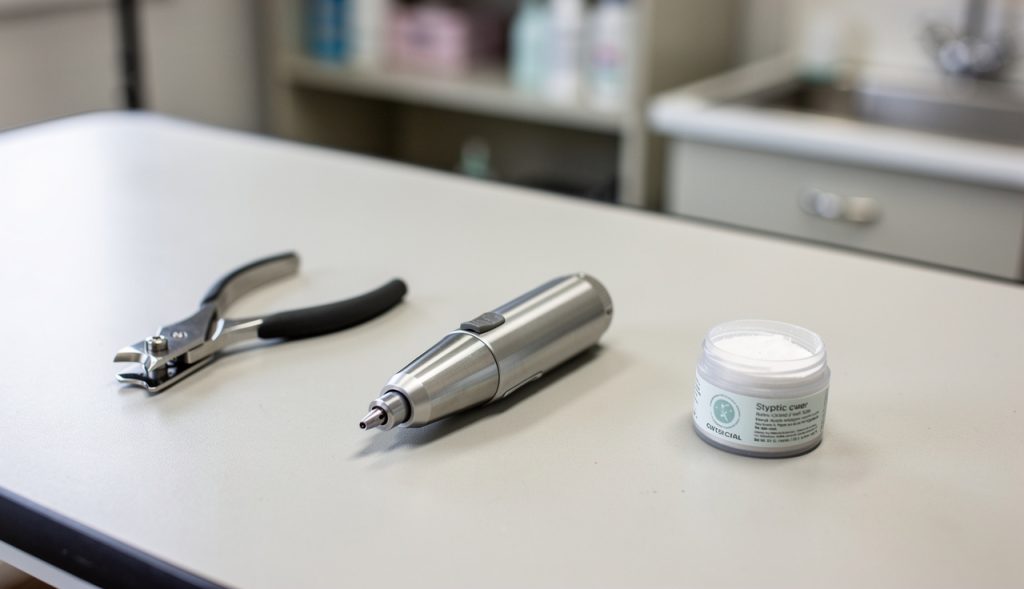
Read the guideClippers, grinder, styptic, and the little-and-often rule — plus when to let a pro do it.
Read the guideClinic $20-40, groomer $15-30, mobile $30-60 — the 2026 price map and the yearly math.
Read the guideThe fill, massage, shake, wipe method — and the ears you should never clean yourself.
Read the guideCats rarely need it — and dirty-looking ears are usually mites, which is a vet visit.
Read the guideBrushing and VOHC-seal chews work. Antlers and most powders are marketing.
Read the guideAnesthesia is not an upsell. How to read a dental estimate line by line.
Read the guideTooth resorption is the cat money pit — X-rays find it, extraction treats it.
Read the guideCore vs lifestyle vaccines, typical prices, and where low-cost clinics charge $10-20 a dose.
Read the guideFVRCP and rabies are core. Indoor cats need less — here is the honest schedule talk.
Read the guidePremiums, deductibles, and the pre-existing clause that decides most claims — run the numbers.
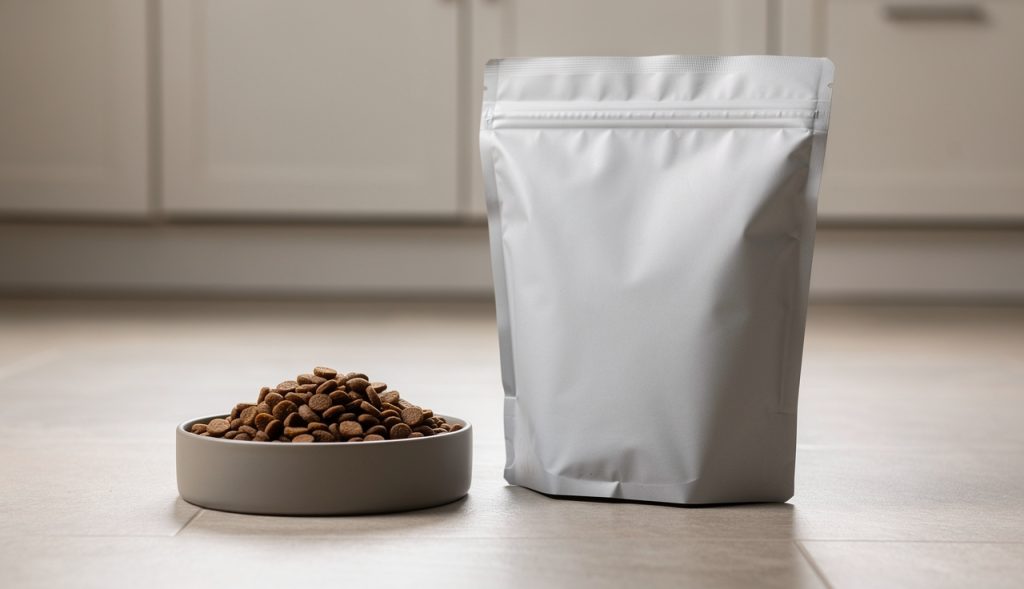
Read the guideCompare foods by cost per day, not per bag — worked examples from kibble to fresh.
Read the guideWhen a prescription diet is the treatment, and the questions to ask when it is not.
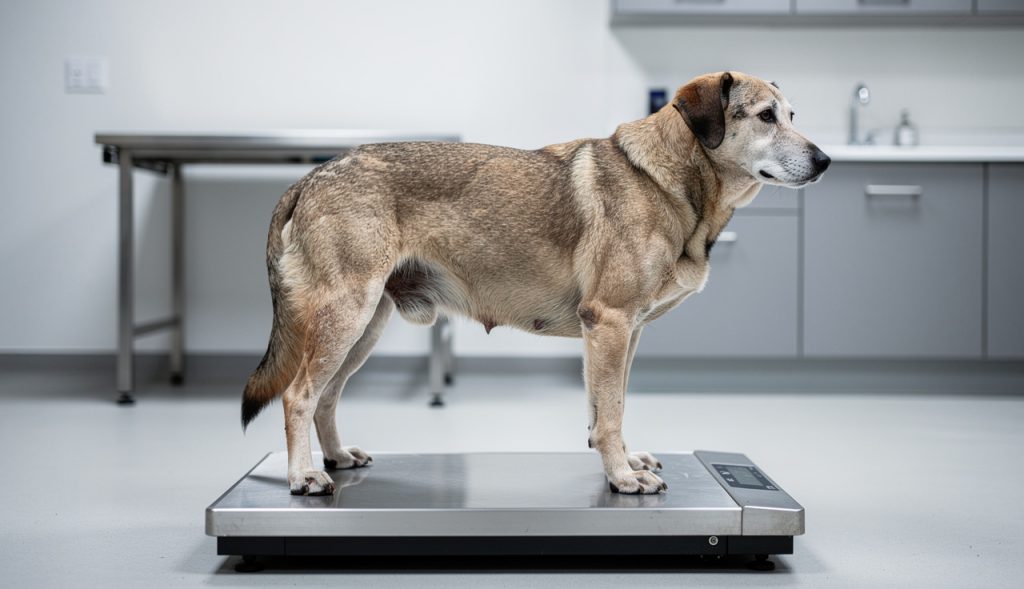
Read the guideCalorie math, measured portions, and free exercise beat expensive diet products.
Read the guideBloodwork and generic pain meds do the heavy lifting — where senior-dog money works hardest.
Read the guideThyroid, kidney, diabetes — the big three senior-cat diseases and what managing each costs.
Read the guideER exam, X-ray, surgery, and hospitalization ranges for 2026 — know the numbers before the crisis.
Read the guideStabilize and transport: the do list, and the dangerous moves to never make.
Read the guideShelter clinics, vet schools, payment plans, and aid funds — where cheaper care actually is.
Read the guideOne real study, 15 dogs, a $380-a-month dose — and a $40 bag of powder that cannot match it.
Read the guideDirect answer: In 2026 in the U.S., a dog spay at a private veterinary clinic typically runs $250–$600, and a neuter runs $150–$400. Low-cost spay/neuter cli...
Read the guideDirect answer: In 2026 in the U.S., a cat spay at a private clinic typically costs $150–$300, and a neuter costs $50–$150. Low-cost clinics often charge $35–...
Read the guideDirect answer: In 2026 in the U.S., a dog or cat microchip implant typically costs $25–$75 at a veterinary clinic. Shelter and clinic events often charge $10...
Read the guideDirect answer: In 2026 in the U.S., a full dog groom typically costs $40–$90 depending on size and coat, while a bath-only appointment runs $30–$60. Large do...
Read the guideDirect answer: In 2026 in the U.S., traditional dog boarding typically costs $30–$55 per night. Pet hotels and luxury boarding run $60–$125 per night, in-hom...
Read the guideDirect answer: In 2026 in the U.S., a 30-minute drop-in pet-sitting visit typically costs $20–$35. Two visits per day are common for cats, which can run $40–...
Read the guideDirect answer: In 2026 in the U.S., a realistic first-year budget for a puppy is about $1,300–$3,000 before emergencies. That includes vaccines and exams, sp...
Read the guideDirect answer: In 2026 in the U.S., a realistic first-year budget for a kitten is about $800–$2,000. That covers exams and vaccines, FeLV testing, spay or ne...
Read the guideDirect answer: In 2026 in the U.S., group dog training classes typically cost $100–$300 for a 4–8 week course. Private lessons run $50–$150 per hour or $400–...
Read the guideMost dog owners facing a torn cranial cruciate ligament (CCL) should plan on $3,500 to $6,500 per knee for TPLO surgery at a 2026 specialty or referral cente...
Read the guideCataract surgery by phacoemulsification typically runs $2,700 to $4,500 for both eyes in 2026 at a boarded veterinary ophthalmologist, with some practices pr...
Read the guideIn 2026, a set of X-rays runs $150 to $400, an abdominal ultrasound $300 to $600, an echocardiogram $400 to $700, a CT scan $800 to $1,500, and an MRI $2,500...
Read the guideLegitimate allergy testing costs $200 to $400 for a blood (serum) panel and $300 to $600 or more for intradermal skin testing at a veterinary dermatologist i...
Read the guideThe highest-return arthritis intervention for most dogs costs nothing: getting the dog to a lean body condition. A fat arthritic dog on a measured diet impro...
Read the guideIn 2026, flying with a pet in the cabin costs $95 to $200 each way depending on the airline, with one pet per passenger and carrier size limits that quietly ...
Read the guideIn 2026, communal cremation — no ashes returned — typically costs $50 to $150. Private cremation, in which only your pet is cremated and the ashes come back,...
Read the guideMost dogs need a bath about once a month, or when they are visibly dirty or smelly — that is plenty. Overbathing strips the skin's oils and can cause the ver...
Read the guideThe single largest savings lever in pet medication is one most owners never use: many veterinary prescriptions are human generics. Gabapentin, many antibioti...
Read the guideWhat a dog ear infection actually costs in 2026 — exam, cytology, medication, and the recheck that decides whether it is really gone.
Read the guideHot spots and skin infections: what the vet visit, testing, and medication run — and why treating only the surface costs more over a year.
Read the guideA blocked male cat is a true emergency. The signs, what unblocking and hospitalization cost, the surgery option, and prevention math.
Read the guideOne vomit is usually nothing; some vomiting is an emergency. The triage signs that separate a quiet night at home from a $3,000 vet bill.
Read the guideWhat pet blood panels cost in 2026, what they detect early, and what they honestly cannot tell you — including the cancer-screening myth.
Read the guideDental extractions priced honestly: simple vs surgical, why X-rays find the real disease, and when the specialist root-canal fork appears.
Read the guideFour treatment routes for a hyperthyroid cat, with the lifetime math: daily pills, prescription diet, the one-time radioactive iodine cure.
Read the guideCushing's testing and treatment priced out — the diagnostic rounds, monthly medication, and the monitoring costs owners are not quoted up front.
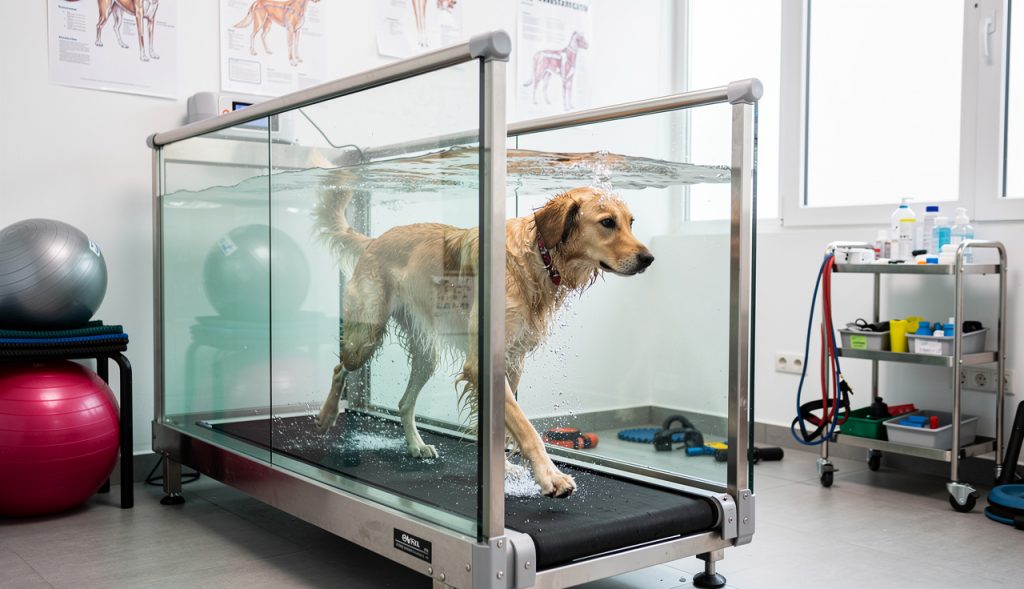
Read the guideWhat pet rehab sessions cost, where the evidence is strongest, and how a vet-designed home program gets much of the benefit for less.
Read the guideBack-disc disease in dogs: signs by severity, strict crate rest vs surgery pricing, the urgency rule, and the hidden costs of each route.
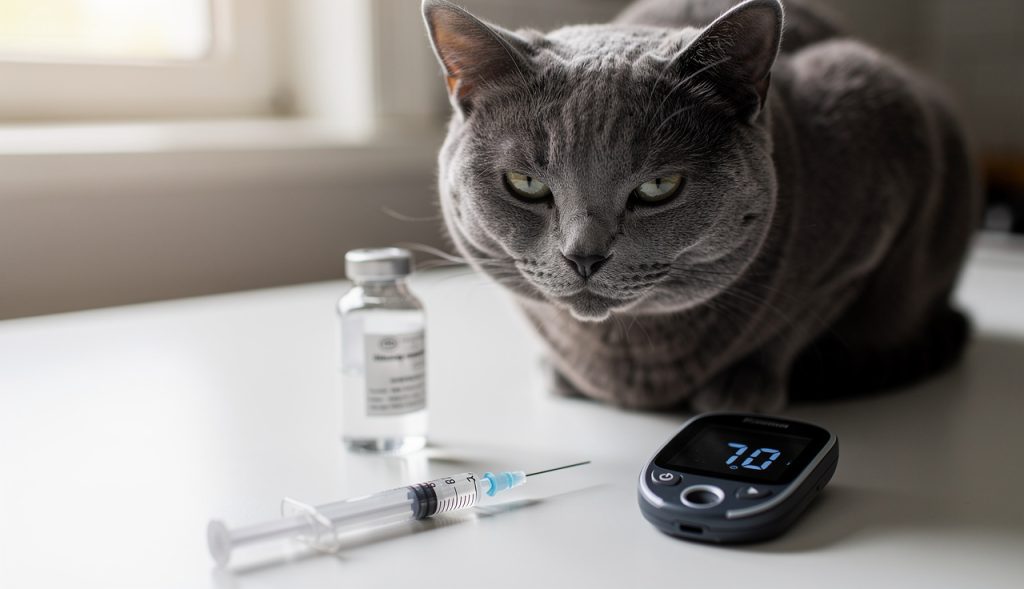
Read the guideWhat a diabetic cat costs per year — insulin, diets, monitoring options — and the real chance of remission that changes the effort math.
Read the guideA scratched cornea is a same-day problem. Visit costs, the healing ladder, and the leftover-drops mistake that can melt an eye.
Read the guideWhat euthanasia costs at a clinic vs at home, what the appointment involves, and how planning ahead is both kinder and cheaper.
Read the guideHealth certificates priced: the $50 domestic version vs the international process with USDA endorsement, rabies timing, and titer tests.
Read the guideDog licenses cost $10-30 a year; the fines for skipping run ten times that. What licensing requires, funds, and how discounts work.
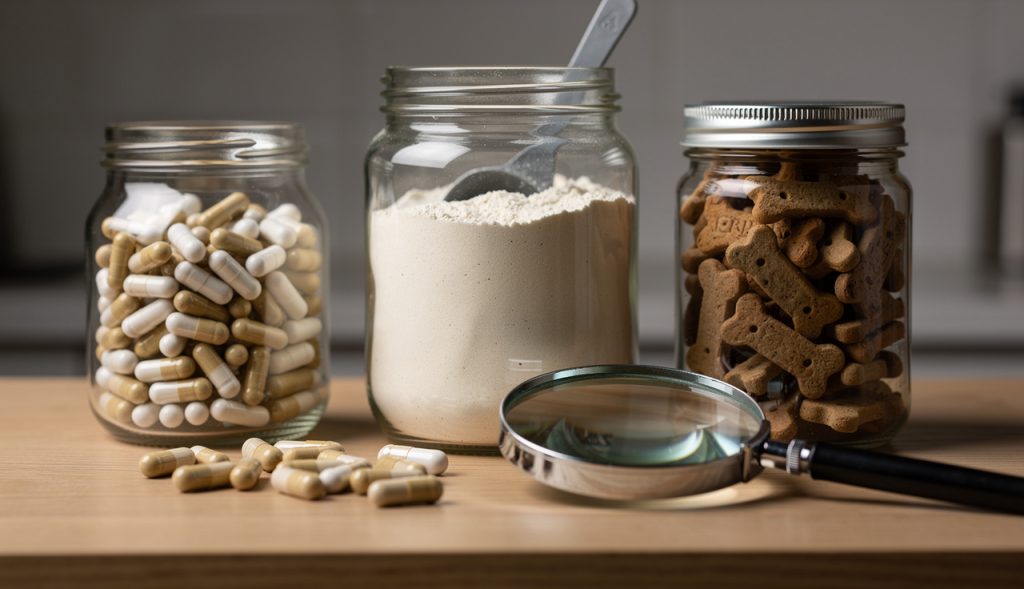
Read the guideOur evidence column takes on dog probiotics: the strains with real studies, the labels that cannot back their claims, and the biscuit test.
Read the guide