How to Read a Vet Estimate: Urgent, Optional, and Shop-Around Lines
Sort any vet estimate into do-now, can-wait, and shop-around lines — and keep an $8,000 bill honest.
Read the guide
Pet insurance pays off for a minority of pets and is a poor deal for another large group, and the difference is mostly predictable before you buy. In 2026, accident-and-illness coverage runs roughly $30–70 per month for dogs and $15–35 per month for cats, in exchange for reimbursement of 70–90% of covered costs after a $250–1,000 annual deductible. You pay the veterinary bill in full at the time of service and get paid back later. Whether that math works depends on species, age, breed, and how much cash you could otherwise set aside. Prices vary by region, breed, and the deductible and reimbursement level you choose.
Preventive-care riders reimburse a few hundred dollars a year for vaccines, exams, and dental cleaning, usually with caps per category, for an additional premium of roughly $10–25 per month. Do the arithmetic: if you pay $180 a year for a rider that reimburses up to $250 of predictable care, you have prepaid for care you were going to buy anyway, minus the paperwork. That can be a reasonable budgeting tool for someone who would otherwise skip the dental cleaning. It is not protection against a $6,000 surgery.
Before comparing policies, answer one question honestly: if the estimate is $6,000 and the outcome is good, do you pay it? If yes, insurance is a way to protect a fund you already have. If no — if the number itself would decide the outcome — insurance changes what is possible, and that is worth a premium that looks expensive on paper.
Either way, the fund or the policy must exist before the emergency. Insurance bought during a crisis covers nothing that is already happening, and a savings account raided for a car repair is not a pet fund. Cross-reference the emergency-cost ranges before deciding how large the fund needs to be.
General information about how these products are priced and structured, not financial or veterinary advice. Read the actual policy exclusions before buying. Prices are 2026 U.S. ranges and vary by region, breed, and coverage level.
Sort any vet estimate into do-now, can-wait, and shop-around lines — and keep an $8,000 bill honest.
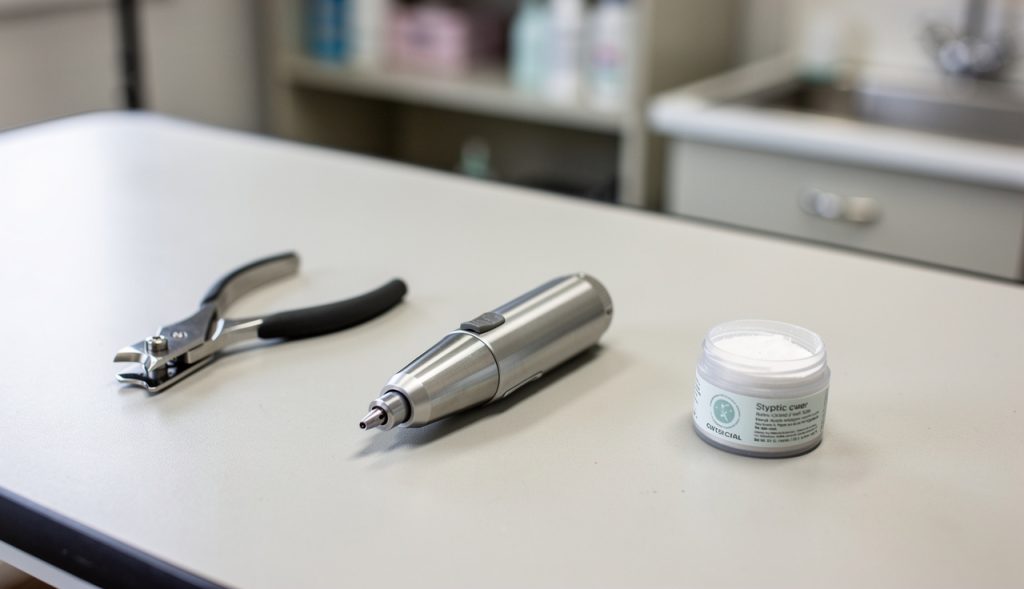
Read the guideClippers, grinder, styptic, and the little-and-often rule — plus when to let a pro do it.
Read the guideClinic $20-40, groomer $15-30, mobile $30-60 — the 2026 price map and the yearly math.
Read the guideThe fill, massage, shake, wipe method — and the ears you should never clean yourself.
Read the guideCats rarely need it — and dirty-looking ears are usually mites, which is a vet visit.
Read the guideBrushing and VOHC-seal chews work. Antlers and most powders are marketing.
Read the guideAnesthesia is not an upsell. How to read a dental estimate line by line.
Read the guideTooth resorption is the cat money pit — X-rays find it, extraction treats it.
Read the guideCore vs lifestyle vaccines, typical prices, and where low-cost clinics charge $10-20 a dose.
Read the guideFVRCP and rabies are core. Indoor cats need less — here is the honest schedule talk.
Read the guideCompare foods by cost per day, not per bag — worked examples from kibble to fresh.
Read the guideWhen a prescription diet is the treatment, and the questions to ask when it is not.
Read the guideCalorie math, measured portions, and free exercise beat expensive diet products.
Read the guideBloodwork and generic pain meds do the heavy lifting — where senior-dog money works hardest.
Read the guideThyroid, kidney, diabetes — the big three senior-cat diseases and what managing each costs.
Read the guideER exam, X-ray, surgery, and hospitalization ranges for 2026 — know the numbers before the crisis.
Read the guideStabilize and transport: the do list, and the dangerous moves to never make.
Read the guideShelter clinics, vet schools, payment plans, and aid funds — where cheaper care actually is.
Read the guideOne real study, 15 dogs, a $380-a-month dose — and a $40 bag of powder that cannot match it.
Read the guideThe AAFCO line matters most. Ingredients by weight, the grain-free question, and label facts vs marketing.
Read the guideDirect answer: In 2026 in the U.S., a dog spay at a private veterinary clinic typically runs $250–$600, and a neuter runs $150–$400. Low-cost spay/neuter cli...
Read the guideDirect answer: In 2026 in the U.S., a cat spay at a private clinic typically costs $150–$300, and a neuter costs $50–$150. Low-cost clinics often charge $35–...
Read the guideDirect answer: In 2026 in the U.S., a dog or cat microchip implant typically costs $25–$75 at a veterinary clinic. Shelter and clinic events often charge $10...
Read the guideDirect answer: In 2026 in the U.S., a full dog groom typically costs $40–$90 depending on size and coat, while a bath-only appointment runs $30–$60. Large do...
Read the guideDirect answer: In 2026 in the U.S., traditional dog boarding typically costs $30–$55 per night. Pet hotels and luxury boarding run $60–$125 per night, in-hom...
Read the guideDirect answer: In 2026 in the U.S., a 30-minute drop-in pet-sitting visit typically costs $20–$35. Two visits per day are common for cats, which can run $40–...
Read the guideDirect answer: In 2026 in the U.S., a realistic first-year budget for a puppy is about $1,300–$3,000 before emergencies. That includes vaccines and exams, sp...
Read the guideDirect answer: In 2026 in the U.S., a realistic first-year budget for a kitten is about $800–$2,000. That covers exams and vaccines, FeLV testing, spay or ne...
Read the guideDirect answer: In 2026 in the U.S., group dog training classes typically cost $100–$300 for a 4–8 week course. Private lessons run $50–$150 per hour or $400–...
Read the guideMost dog owners facing a torn cranial cruciate ligament (CCL) should plan on $3,500 to $6,500 per knee for TPLO surgery at a 2026 specialty or referral cente...
Read the guideCataract surgery by phacoemulsification typically runs $2,700 to $4,500 for both eyes in 2026 at a boarded veterinary ophthalmologist, with some practices pr...
Read the guideIn 2026, a set of X-rays runs $150 to $400, an abdominal ultrasound $300 to $600, an echocardiogram $400 to $700, a CT scan $800 to $1,500, and an MRI $2,500...
Read the guideLegitimate allergy testing costs $200 to $400 for a blood (serum) panel and $300 to $600 or more for intradermal skin testing at a veterinary dermatologist i...
Read the guideThe highest-return arthritis intervention for most dogs costs nothing: getting the dog to a lean body condition. A fat arthritic dog on a measured diet impro...
Read the guideIn 2026, flying with a pet in the cabin costs $95 to $200 each way depending on the airline, with one pet per passenger and carrier size limits that quietly ...
Read the guideIn 2026, communal cremation — no ashes returned — typically costs $50 to $150. Private cremation, in which only your pet is cremated and the ashes come back,...
Read the guideMost dogs need a bath about once a month, or when they are visibly dirty or smelly — that is plenty. Overbathing strips the skin's oils and can cause the ver...
Read the guideThe single largest savings lever in pet medication is one most owners never use: many veterinary prescriptions are human generics. Gabapentin, many antibioti...
Read the guideWhat a dog ear infection actually costs in 2026 — exam, cytology, medication, and the recheck that decides whether it is really gone.
Read the guideHot spots and skin infections: what the vet visit, testing, and medication run — and why treating only the surface costs more over a year.
Read the guideA blocked male cat is a true emergency. The signs, what unblocking and hospitalization cost, the surgery option, and prevention math.
Read the guideOne vomit is usually nothing; some vomiting is an emergency. The triage signs that separate a quiet night at home from a $3,000 vet bill.
Read the guideWhat pet blood panels cost in 2026, what they detect early, and what they honestly cannot tell you — including the cancer-screening myth.
Read the guideDental extractions priced honestly: simple vs surgical, why X-rays find the real disease, and when the specialist root-canal fork appears.
Read the guideFour treatment routes for a hyperthyroid cat, with the lifetime math: daily pills, prescription diet, the one-time radioactive iodine cure.
Read the guideCushing's testing and treatment priced out — the diagnostic rounds, monthly medication, and the monitoring costs owners are not quoted up front.
Read the guideWhat pet rehab sessions cost, where the evidence is strongest, and how a vet-designed home program gets much of the benefit for less.
Read the guideBack-disc disease in dogs: signs by severity, strict crate rest vs surgery pricing, the urgency rule, and the hidden costs of each route.
Read the guideWhat a diabetic cat costs per year — insulin, diets, monitoring options — and the real chance of remission that changes the effort math.
Read the guideA scratched cornea is a same-day problem. Visit costs, the healing ladder, and the leftover-drops mistake that can melt an eye.
Read the guideWhat euthanasia costs at a clinic vs at home, what the appointment involves, and how planning ahead is both kinder and cheaper.
Read the guideHealth certificates priced: the $50 domestic version vs the international process with USDA endorsement, rabies timing, and titer tests.
Read the guideDog licenses cost $10-30 a year; the fines for skipping run ten times that. What licensing requires, funds, and how discounts work.
Read the guideOur evidence column takes on dog probiotics: the strains with real studies, the labels that cannot back their claims, and the biscuit test.
Read the guide