How to Read a Vet Estimate: Urgent, Optional, and Shop-Around Lines
Sort any vet estimate into do-now, can-wait, and shop-around lines — and keep an $8,000 bill honest.
Read the guide
The cheaper care exists, but it is fragmented and you have to know where to look. In 2026, the biggest savings come from shelter and humane society clinics (spay/neuter commonly $50–150 versus $200–600 at a private practice), veterinary school hospitals (often 20–40% less than private specialty practices, in exchange for a slower appointment and student involvement), and standalone low-cost vaccine and spay/neuter clinics. Payment plans and hardship funds fill the remaining gap. Prices vary by region, and availability varies enormously by state.
Many shelters run public clinics offering spay/neuter, vaccines, microchips, and sometimes dental and basic sick care. They are subsidized and staffed by licensed veterinarians. The trade-offs are real: limited services, long waits for surgical slots, and no continuity for complex cases. For routine preventive care and sterilization, they are often the best value available.
University veterinary hospitals see public patients in some services. Costs are frequently 20–40% below private specialty practice because students do the work under supervision. The price is time: longer appointments, more discussion, and scheduling that can be weeks out for non-emergency cases. For a complex or chronic problem, the savings can be substantial. Call the hospital’s community practice or primary care service, not the emergency line.
Standalone clinics and mobile units frequently offer spay/neuter at $50–150, vaccines at $10–20 per dose, and microchips around $20–40. Some are nonprofit; some are municipal. Search your city or county animal services page first — that is where they list their own clinics and partner events.
Nonprofits and rescue groups run periodic vaccine and wellness events, often announced on social media with little lead time. They are worth following if routine care is the barrier.
Some states have well-funded spay/neuter programs and nonprofit clinics in most metro areas; others have almost nothing. Veterinary school locations matter too — a teaching hospital three hours away is not a resource for a weekly recheck. Start with your county animal services department and your state veterinary medical association; both maintain lists, and both are more current than most national directories.
Tell the front desk before the exam that cost is a real constraint and ask for a written estimate. Ask which diagnostics are essential now and which can wait with a plan to return. Ask whether a technician appointment is cheaper than a doctor appointment for a recheck. Ask about generic medications and written prescriptions you can fill at a licensed online pharmacy. Clinics cannot discount the actual cost of care, but they can often sequence it, and a surprising number have a fund or a payment plan they will offer if asked directly.
Do not delay care for these: a male cat straining to urinate, a distended abdomen with unproductive retching, known toxin ingestion, seizures, collapse, trouble breathing, or uncontrolled bleeding. Call the emergency hospital from the car and tell them you are coming — many will discuss options and stabilization costs by phone and will not turn away a pet in critical distress without a conversation. Payment questions can be asked while treatment is being stabilized.
Veterinary prices reflect real costs: equipment, staff, liability, and drugs. The system is fragmented, not conspiratorial, and the difference between a $90 and a $400 bill is usually which channel you walked into, not whether you care about your pet. Navigating it well is a skill, not a character judgment.
General information about resources, not veterinary or financial advice. Programs, eligibility, and funding change frequently — confirm with each organization directly. Prices are 2026 U.S. ranges and vary by region.
Sort any vet estimate into do-now, can-wait, and shop-around lines — and keep an $8,000 bill honest.
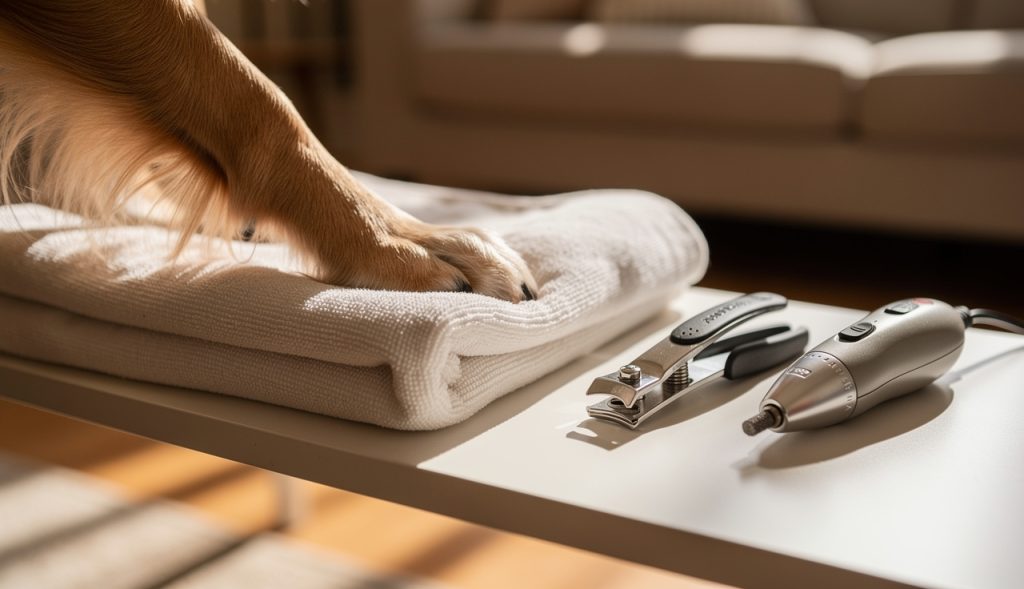
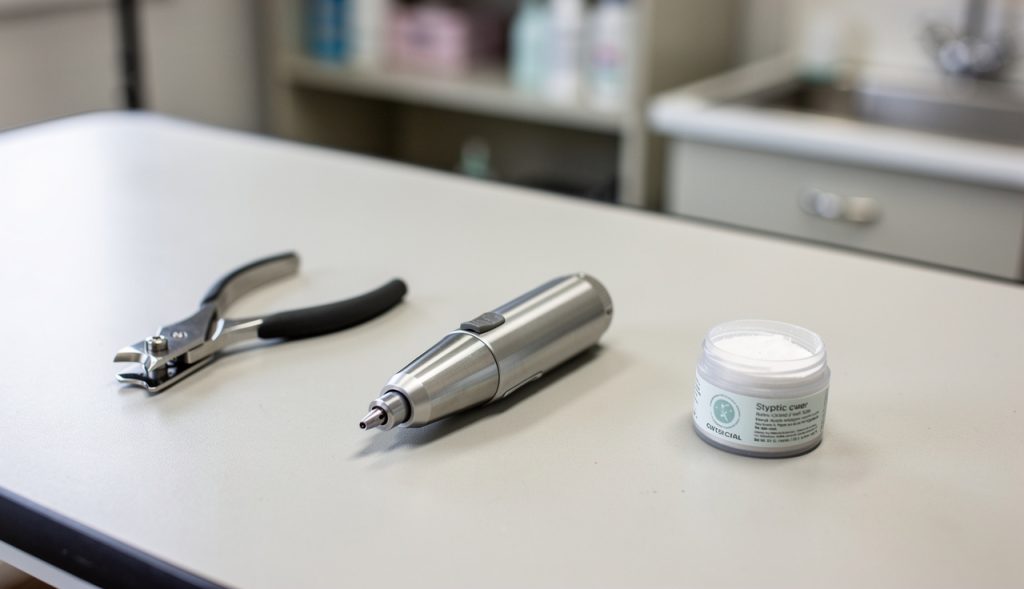
Read the guideClippers, grinder, styptic, and the little-and-often rule — plus when to let a pro do it.
Read the guideClinic $20-40, groomer $15-30, mobile $30-60 — the 2026 price map and the yearly math.
Read the guideThe fill, massage, shake, wipe method — and the ears you should never clean yourself.
Read the guideCats rarely need it — and dirty-looking ears are usually mites, which is a vet visit.
Read the guideBrushing and VOHC-seal chews work. Antlers and most powders are marketing.
Read the guideAnesthesia is not an upsell. How to read a dental estimate line by line.
Read the guideTooth resorption is the cat money pit — X-rays find it, extraction treats it.
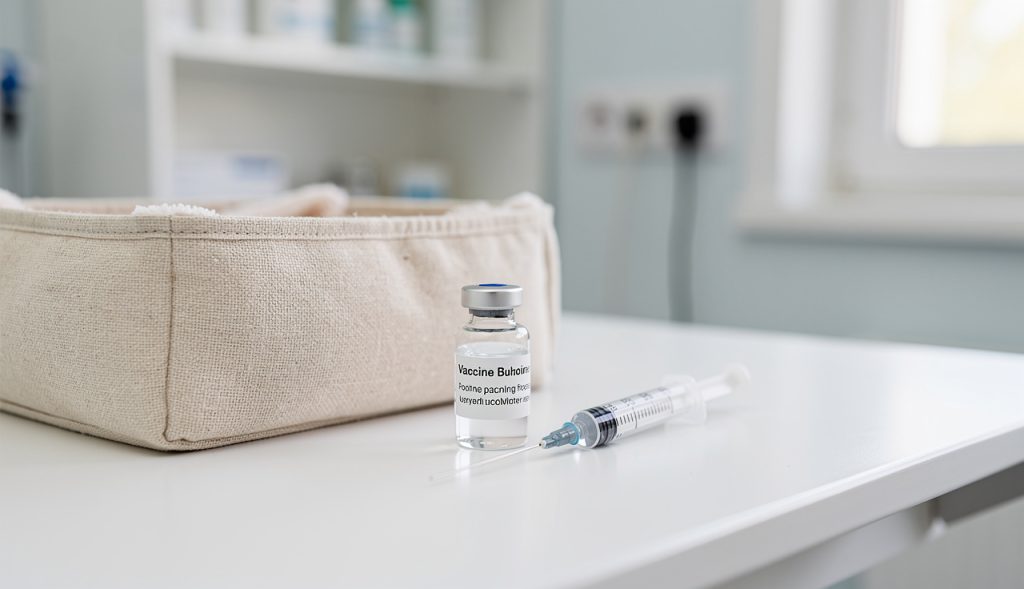
Read the guideCore vs lifestyle vaccines, typical prices, and where low-cost clinics charge $10-20 a dose.
Read the guideFVRCP and rabies are core. Indoor cats need less — here is the honest schedule talk.
Read the guidePremiums, deductibles, and the pre-existing clause that decides most claims — run the numbers.
Read the guideCompare foods by cost per day, not per bag — worked examples from kibble to fresh.
Read the guideWhen a prescription diet is the treatment, and the questions to ask when it is not.
Read the guideCalorie math, measured portions, and free exercise beat expensive diet products.
Read the guideBloodwork and generic pain meds do the heavy lifting — where senior-dog money works hardest.
Read the guideThyroid, kidney, diabetes — the big three senior-cat diseases and what managing each costs.
Read the guideER exam, X-ray, surgery, and hospitalization ranges for 2026 — know the numbers before the crisis.
Read the guideStabilize and transport: the do list, and the dangerous moves to never make.
Read the guideOne real study, 15 dogs, a $380-a-month dose — and a $40 bag of powder that cannot match it.
Read the guideThe AAFCO line matters most. Ingredients by weight, the grain-free question, and label facts vs marketing.
Read the guideDirect answer: In 2026 in the U.S., a dog spay at a private veterinary clinic typically runs $250–$600, and a neuter runs $150–$400. Low-cost spay/neuter cli...
Read the guideDirect answer: In 2026 in the U.S., a cat spay at a private clinic typically costs $150–$300, and a neuter costs $50–$150. Low-cost clinics often charge $35–...
Read the guideDirect answer: In 2026 in the U.S., a dog or cat microchip implant typically costs $25–$75 at a veterinary clinic. Shelter and clinic events often charge $10...
Read the guideDirect answer: In 2026 in the U.S., a full dog groom typically costs $40–$90 depending on size and coat, while a bath-only appointment runs $30–$60. Large do...
Read the guideDirect answer: In 2026 in the U.S., traditional dog boarding typically costs $30–$55 per night. Pet hotels and luxury boarding run $60–$125 per night, in-hom...
Read the guideDirect answer: In 2026 in the U.S., a 30-minute drop-in pet-sitting visit typically costs $20–$35. Two visits per day are common for cats, which can run $40–...
Read the guideDirect answer: In 2026 in the U.S., a realistic first-year budget for a puppy is about $1,300–$3,000 before emergencies. That includes vaccines and exams, sp...
Read the guideDirect answer: In 2026 in the U.S., a realistic first-year budget for a kitten is about $800–$2,000. That covers exams and vaccines, FeLV testing, spay or ne...
Read the guideDirect answer: In 2026 in the U.S., group dog training classes typically cost $100–$300 for a 4–8 week course. Private lessons run $50–$150 per hour or $400–...
Read the guideMost dog owners facing a torn cranial cruciate ligament (CCL) should plan on $3,500 to $6,500 per knee for TPLO surgery at a 2026 specialty or referral cente...
Read the guideCataract surgery by phacoemulsification typically runs $2,700 to $4,500 for both eyes in 2026 at a boarded veterinary ophthalmologist, with some practices pr...
Read the guideIn 2026, a set of X-rays runs $150 to $400, an abdominal ultrasound $300 to $600, an echocardiogram $400 to $700, a CT scan $800 to $1,500, and an MRI $2,500...
Read the guideLegitimate allergy testing costs $200 to $400 for a blood (serum) panel and $300 to $600 or more for intradermal skin testing at a veterinary dermatologist i...
Read the guideThe highest-return arthritis intervention for most dogs costs nothing: getting the dog to a lean body condition. A fat arthritic dog on a measured diet impro...
Read the guideIn 2026, flying with a pet in the cabin costs $95 to $200 each way depending on the airline, with one pet per passenger and carrier size limits that quietly ...
Read the guideIn 2026, communal cremation — no ashes returned — typically costs $50 to $150. Private cremation, in which only your pet is cremated and the ashes come back,...
Read the guideMost dogs need a bath about once a month, or when they are visibly dirty or smelly — that is plenty. Overbathing strips the skin's oils and can cause the ver...
Read the guideThe single largest savings lever in pet medication is one most owners never use: many veterinary prescriptions are human generics. Gabapentin, many antibioti...
Read the guideWhat a dog ear infection actually costs in 2026 — exam, cytology, medication, and the recheck that decides whether it is really gone.
Read the guideHot spots and skin infections: what the vet visit, testing, and medication run — and why treating only the surface costs more over a year.
Read the guideA blocked male cat is a true emergency. The signs, what unblocking and hospitalization cost, the surgery option, and prevention math.
Read the guideOne vomit is usually nothing; some vomiting is an emergency. The triage signs that separate a quiet night at home from a $3,000 vet bill.
Read the guideWhat pet blood panels cost in 2026, what they detect early, and what they honestly cannot tell you — including the cancer-screening myth.
Read the guideDental extractions priced honestly: simple vs surgical, why X-rays find the real disease, and when the specialist root-canal fork appears.
Read the guideFour treatment routes for a hyperthyroid cat, with the lifetime math: daily pills, prescription diet, the one-time radioactive iodine cure.
Read the guideCushing's testing and treatment priced out — the diagnostic rounds, monthly medication, and the monitoring costs owners are not quoted up front.
Read the guideWhat pet rehab sessions cost, where the evidence is strongest, and how a vet-designed home program gets much of the benefit for less.
Read the guideBack-disc disease in dogs: signs by severity, strict crate rest vs surgery pricing, the urgency rule, and the hidden costs of each route.
Read the guideWhat a diabetic cat costs per year — insulin, diets, monitoring options — and the real chance of remission that changes the effort math.
Read the guideA scratched cornea is a same-day problem. Visit costs, the healing ladder, and the leftover-drops mistake that can melt an eye.
Read the guideWhat euthanasia costs at a clinic vs at home, what the appointment involves, and how planning ahead is both kinder and cheaper.
Read the guideHealth certificates priced: the $50 domestic version vs the international process with USDA endorsement, rabies timing, and titer tests.
Read the guideDog licenses cost $10-30 a year; the fines for skipping run ten times that. What licensing requires, funds, and how discounts work.
Read the guideOur evidence column takes on dog probiotics: the strains with real studies, the labels that cannot back their claims, and the biscuit test.
Read the guide